


BLACK FRIDAY PRE-HEAT


BLACK FRIDAY ENDS IN · NOV 30
00DAYS00HOURS00MINUTES00SECONDS
BLACK FRIDAY NOV 16–NOV 30
COMING SOON
BLACK FRIDAY MORE WAYS TO SAVE
Choose your way to save


01 PRODUCT DEALS COMING NOV 16
BIGGEST DEALS OF THE YEAR
UP TO 40% OFF

✦ MATCHING INSPIRATION ✦ COMING NOV 16
FIND THEIR FAVORITE CORNER
Swipe for More →







02 BUNDLE & SAVE
BUILD YOUR PERFECT MATCH
Mix and match your favorite pieces and unlock extra savings.
Orders 2+
EXTRA
$5OFF
Orders 3+
EXTRA
$8OFF
Orders 4+
EXTRA
$10OFF
Add eligible items to unlock bundle savings.

04 CAT LITTER SUBSCRIPTION COMING NOV 16
SAVE MORE. NEVER RUN OUT.
Make your cat's essentials one less thing to worry about.


2XPOINTS
Members earn double points on every purchase.
SPEND $100
FREE GIFTLimited quantities availableSPEND $200
PREMIUM GIFTWhile supplies lastSPEND $300
EXCLUSIVE GIFTWhile supplies last


 Dreamy Series Spotlight
 As Seen On


Our Blog
All you want to know is here
Read moreWhy Is My New Kitten Hiding
Quick answer: Give your kitten space without withdrawing care. Check food intake, hydration clues, urine/stool, and alertness every day. A kitten who has not eaten for around 12 hours is already in the range where early veterinary advice is sensible; do not wait for a clock threshold if the kitten is very young, weak, vomiting, has diarrhea, or otherwise seems unwell.
In This Article
Adjustment: Is It Normal for a New Kitten to Hide?
Hands Off: Should You Pull a Hiding Kitten Out?
Safe Space: How Should You Set Up the First Room?
Daily Checks: What Should You Monitor?
Vet: When Should You Call About a Hiding Kitten?
When Should a New Kitten Have a First Checkup?
Special Cases
References
Hiding can be a normal response to a new home, but there is no single “normal” number of days. Reduce pressure, provide a quiet safe room, and monitor eating, drinking, litter box use, and energy. Health signs—not the hiding alone—determine how urgently you should act.
Adjustment: Is It Normal for a New Kitten to Hide?
Yes, hiding is a common adjustment behavior, but the timeline varies widely. San Francisco SPCA notes that some cats settle in days while others need weeks or months, depending on temperament, previous experience, and other animals in the home. Use appetite, litter-box use, exploration, and relaxed body language as better progress markers than a calendar.
Keep the room quiet and routines predictable. “Leave her alone” should mean do not pull, chase, corner, or repeatedly peer into the hiding place—not stop monitoring or caring for her.
Hands Off: Should You Pull a Hiding Kitten Out?
No. Let the kitten choose when to emerge. Sit quietly nearby, refill food and water, scoop the litter box, and check from a distance rather than reaching into the hiding spot.
Ask children and visitors to give the kitten space.
Keep food, water, and the litter box easy to reach, but do not crowd the hiding spot.
Reward voluntary approaches calmly with a treat, play, or gentle attention if the kitten seeks it.
Safe Space: How Should You Set Up the First Room?
Start with one small, quiet room containing everything the kitten needs: food, water, litter box, scratching surface, comfortable bedding, toys, and more than one safe resting option.
Separate food and water from the litter box as much as the room allows.
Offer both a covered hiding option and an elevated perch if safe and practical.
Open more of the home only when the kitten is eating normally, using the litter box, exploring, and showing relaxed behavior. Some kittens reach that point quickly; others need longer.
Daily Checks: What Should You Monitor?
Changes in eating, toileting, hydration, and energy matter more than the amount of time spent hidden. For drinking, do not rely only on whether the water level in one bowl drops: wet food contributes water, evaporation changes the level, and other pets may drink from the same bowl.
Daily Checks: What Should You Monitor?
What to check
Reassuring signs
Call a vet / act sooner if
Eating
Food is disappearing and the kitten is taking regular meals, even if mostly when the room is quiet.
An older kitten has gone about 12 hours without eating, or is eating markedly less; seek advice sooner for a very young kitten or if vomiting, diarrhea, weakness, or other illness signs are present.
Hydration
The kitten is eating wet food and/or drinking, has normal alertness, and produces urine.
No known water intake plus poor appetite, vomiting/diarrhea, dry/tacky gums, weakness, or other dehydration concerns. Do not wait for a fixed hour threshold if the kitten looks unwell.
Litter box
Normal urine and stool are appearing in the box.
Frequent trips, pain, blood, or accidents need veterinary advice. Straining to urinate with little or no urine is an emergency.
Energy / breathing
The kitten is alert when awake and reacts normally to sounds or play.
Marked weakness, collapse, or difficulty breathing requires immediate veterinary care.
Vet: When Should You Call About a Hiding Kitten?
Food and water thresholds are prompts for early advice, not permission to wait. Cats Protection notes that older kittens can become weak after about 12 hours without food and advises veterinary assessment if a kitten has not eaten for 12–24 hours or has not drunk for about 12 hours. Age, size, illness signs, vomiting, diarrhea, and overall condition can make the situation more urgent.
Go to an emergency vet immediately if:
Your kitten strains to urinate and produces little or no urine. Cornell describes urethral obstruction as an absolute emergency requiring immediate treatment.
Your kitten has difficulty breathing, open-mouth breathing, or obvious respiratory distress. Breathing difficulty can become life-threatening quickly.
Your kitten collapses, cannot stand, or becomes profoundly weak.
Call your vet promptly / the same day if:
An older kitten has not eaten for around 12 hours, especially if intake is falling rather than improving.
The kitten is vomiting or has diarrhea, particularly if also eating or drinking poorly.
You see new blood in the urine or stool, repeated painful toileting, or a clear change in litter-box use.
The kitten is unusually lethargic, withdrawn, or getting worse rather than gradually settling.
When Should a New Kitten Have a First Checkup?
Do not wait until the kitten is “fully settled” before arranging routine veterinary care. Contact a veterinary clinic soon after bringing the kitten home to ask when they want to see her based on age, vaccination history, deworming/parasite prevention, source, and current health. If warning signs appear, that visit becomes urgent rather than routine.
Special Cases
Resident cat in the home: keep the kitten in a separate room and use a gradual, condition-based introduction rather than a day-by-day deadline.
Schedule suddenly changes: practice short absences and keep feeding and play routines predictable.
Hiding after a visitor or loud noise: reduce stimulation, keep the safe room available, and continue daily health checks while the kitten recovers.
References
Cornell Feline Health Center — Feline Lower Urinary Tract Disease
Cornell Feline Health Center — Dyspnea (Difficulty Breathing)
Cats Protection — How Long Can Cats Go Without Food?
San Francisco SPCA — Bringing Your New Cat Home
 SHARE
 TWEET
 PIN
New Kitten Adjustment Mistakes: 6 Things to Avoid After You Bring Your Kitten Home
Quick answer: Six common adjustment mistakes are giving too much space too quickly, forcing a hiding kitten out, adding social pressure before the kitten is ready, changing several familiar things at once, using punishment, and assuming health changes are 'just settling in.' The safer pattern is simple: start small, let the kitten set the pace, change one variable at a time, and act quickly on medical warning signs.
In This Article
Six Common New-Kitten Mistakes at a Glance
Why Does a New Kitten Need a Slow Start?
1. Giving the Whole House Too Soon
2. Pulling a Hiding Kitten Out
3. Treating 'Week One' as a Hard Visitor Rule
4. Changing Food, Litter, and Layout All at Once
5. Scolding Hiding, Crying, or Accidents
6. Waiting Too Long When Behavior Comes With Health Signs
When Should a New Kitten Have Its First Vet Visit?
References
Six Common New-Kitten Mistakes at a Glance
Six Common New-Kitten Mistakes at a Glance
Mistake
Why it can backfire
Try this instead
Opening the whole house immediately
Too much unfamiliar space can increase stress or make the kitten hard to monitor.
Begin with a quiet safe room and expand access when the kitten is comfortable.
Pulling a hiding kitten out
Forced contact can increase fear and make the hiding place feel less secure.
Sit nearby, offer treats, and let the kitten approach.
Too much social contact too soon
New people on top of a new home can be overwhelming for some kittens.
Keep introductions calm and short; follow the kitten's response rather than a fixed calendar.
Changing food, litter, and layout together
Several changes at once can add stress and make problems harder to trace.
Keep familiar items when possible and change one variable at a time.
Scolding hiding, crying, or accidents
Punishment can increase stress without explaining what the kitten should do instead.
Stay calm, check needs and health, clean accidents, and reward desired behavior.
Waiting on health warning signs
A medical problem can be mistaken for adjustment behavior.
Call your vet promptly; urinary obstruction requires emergency care immediately.
Why Does a New Kitten Need a Slow Start?
A move changes scent, territory, people, sound, routine, and resources at once. The San Francisco SPCA recommends a safe haven and letting the cat set the pace. A new cat may be comfortable in a day, a week, or longer, so readiness cues are more useful than a universal countdown.
1. Giving the Whole House Too Soon
Starting in one quiet room makes food, water, the litter box, and a hiding place easy to find while you monitor how the kitten is coping.
Keep the safe room quiet and predictable.
Expand access when the kitten is eating and drinking normally, using the litter box, and showing relaxed exploration or rest.
Open one additional area at a time and keep the safe room available as a retreat.
If the kitten becomes overwhelmed after you expand access, reduce the space again. If eating, drinking, urination, or normal litter-box use changes, contact your veterinarian rather than assuming the kitten simply needs more time.
2. Pulling a Hiding Kitten Out
Hiding is a coping behavior. Reaching in, pulling the kitten out, or surrounding the hiding place may make the kitten feel less in control.
Sit nearby without blocking the exit.
Offer treats or quiet play near the edge of the hiding place.
Let the kitten approach and leave freely.
Repeat short, low-pressure interactions instead of forcing progress.
How long hiding lasts varies widely. A kitten that hides but eats, drinks, uses the litter box, and gradually explores is different from a kitten that hides and also stops normal intake or toileting.
3. Treating 'Week One' as a Hard Visitor Rule
Keeping the first days quiet is a sensible conservative approach, but 'household only for exactly one week' is not a rule every kitten must follow. Use the kitten's health, previous socialization, temperament, and behavior to set the pace.
Start with one calm person at a time.
Ask visitors to sit quietly and let the kitten approach.
End the interaction if the kitten freezes, hides, stops taking treats, or repeatedly tries to leave.
Delay more challenging introductions until the kitten is relaxed and medically ready.
4. Changing Food, Litter, and Layout All at Once
Multiple simultaneous changes can increase stress and make it difficult to identify what caused a stomach upset or litter-box problem.
Keep the familiar food at first when possible; if a change is needed, transition gradually according to your vet or food label.
Change litter gradually rather than replacing the whole box with a new texture overnight.
Keep the bed, litter box, and bowls in stable locations until the kitten is comfortable.
Start the next change only after the kitten has returned to normal eating, litter-box use, and relaxed behavior.
5. Scolding Hiding, Crying, or Accidents
Scolding does not show a kitten what to do instead and can add stress to an already unfamiliar environment. Use the behavior as a cue to check needs, access, and health.
5. Scolding Hiding, Crying, or Accidents
Behavior
Check first
Next step
Hiding
Safe retreat, noise level, access to food/water/litter
Give space and watch normal daily habits.
Crying
Food, water, litter-box access, temperature, contact needs
Keep your presence calm; call the vet if crying is persistent or paired with illness signs.
Accident outside the box
Box access, cleanliness, litter preference, stress
Clean thoroughly and seek veterinary advice if accidents repeat or urination appears painful.
6. Waiting Too Long When Behavior Comes With Health Signs
Adjustment behavior and illness can overlap. The key is whether hiding, crying, or accidents come with a change in eating, drinking, urination, stools, breathing, or energy.
6. Waiting Too Long When Behavior Comes With Health Signs
What you see
What it may mean
What to do
Hides but eats, drinks, urinates, and uses the litter box normally
Likely adjustment
Keep things quiet and let the kitten set the pace.
Hides and stops eating/drinking or seems unusually weak
Possible health problem
Call your veterinarian promptly; do not wait for a 'settling-in' deadline.
Strains to urinate or passes little to no urine
Possible urethral obstruction
Emergency veterinary care immediately.
Diarrhea, repeated vomiting, or marked lethargy
Potentially significant illness in a young kitten
Call your veterinarian promptly; urgency depends on age and severity.
Cornell's Feline Health Center notes that complete urinary obstruction can become fatal rapidly and requires immediate treatment. If blockage is suspected, seek emergency veterinary care now rather than waiting until later in the day.
When Should a New Kitten Have Its First Vet Visit?
If a wellness exam has not already been completed around adoption, arrange one promptly after the kitten comes home. Bring any vaccination, deworming, diet, and medical records, and note changes in appetite, drinking, litter-box use, stools, hiding, and energy.
The pattern to remember: Make the environment smaller, quieter, and more predictable when your kitten looks overwhelmed. Make the response faster - not stricter - when behavior changes are paired with medical warning signs.
References
Cornell Feline Health Center - Feline Lower Urinary Tract Disease
San Francisco SPCA - Bringing Your New Cat Home
 PIN
Ceramic vs. Plastic Cat Water Fountains: Which IsEasier to Live With?
Choosing a cat water fountain is not only about how it looks. The material affects how the fountain feels in your home, how you clean it, and how practical it is to use every day. Ceramic and plastic fountains can both work well, but they suit different priorities.
1. Cleaning and Daily Maintenance
The easiest fountain to live with is one you can realistically clean on schedule. Detachable parts, an accessible pump area, and a simple reassembly process matter more than a long feature list.
Ceramic surfaces are smooth and easy to wipe down, while plastic fountains are often lighter and easier to move. Regardless of material, the fountain should be cleaned regularly and the filter replaced according to the manufacturer’s instructions.
2. Weight and Stability
Ceramic fountains are generally heavier than plastic models. That extra weight can make them feel more stable in a fixed feeding area. Plastic fountains are lighter, which may be useful when you need to move the fountain often.
3. Appearance in the Home
For cat parents who care about interior design, ceramic fountains often feel closer to homeware than pet equipment. A shaped ceramic design, such as a cactus fountain, can add personality without looking like a basic utility product.
4. Noise Depends on the Pump, Not Only the Material
A quiet fountain depends mainly on the pump, the water level, and correct assembly. Low water can make many fountains sound louder. Look for a low-noise pump and an automatic shut-off feature that helps prevent the pump from running dry.
5. Will Cats Actually Use It?
Some cats are naturally curious about moving water, while others need time to adjust. Place the fountain in a calm, accessible area and let your cat approach it without pressure. Reviews can be useful because they show how different cats respond in real homes.
6. Which Material Should You Choose?
Choose ceramic if you value a sturdy feel, a smooth surface, and a fountain that blends into your home. Choose plastic if lightweight and a lower entry price matter more. In either case, prioritize simple cleaning, reliable filtration, quiet operation, and easy access to replacement filters.
A Ceramic Option for Design-Conscious Cat Homes
Happy & Polly’s 50 oz / 1.5 L Cactus Ceramic Cat Water Fountain combines a detachable ceramic body, low-noise operation, filtered circulation, a covered top, and automatic shut-off when the water level runs low. It is designed for cat parents who want a fountain that feels playful but still works as an everyday hydration station.
Final Takeaway
The best cat water fountain is not simply the cutest or the most technical. It is the one your cat will use, and you will continue to clean. Material matters, but daily maintenance, pump noise, filter availability, and your cat’s response should make the final decision.
 PIN
Why Is My New Kitten Hiding
Quick answer: Give your kitten space without withdrawing care. Check food intake, hydration clues, urine/stool, and alertness every day. A kitten who has not eaten for around 12 hours is already in the range where early veterinary advice is sensible; do not wait for a clock threshold if the kitten is very young, weak, vomiting, has diarrhea, or otherwise seems unwell.
In This Article
Adjustment: Is It Normal for a New Kitten to Hide?
Hands Off: Should You Pull a Hiding Kitten Out?
Safe Space: How Should You Set Up the First Room?
Daily Checks: What Should You Monitor?
Vet: When Should You Call About a Hiding Kitten?
When Should a New Kitten Have a First Checkup?
Special Cases
References
Hiding can be a normal response to a new home, but there is no single “normal” number of days. Reduce pressure, provide a quiet safe room, and monitor eating, drinking, litter box use, and energy. Health signs—not the hiding alone—determine how urgently you should act.
Adjustment: Is It Normal for a New Kitten to Hide?
Yes, hiding is a common adjustment behavior, but the timeline varies widely. San Francisco SPCA notes that some cats settle in days while others need weeks or months, depending on temperament, previous experience, and other animals in the home. Use appetite, litter-box use, exploration, and relaxed body language as better progress markers than a calendar.
Keep the room quiet and routines predictable. “Leave her alone” should mean do not pull, chase, corner, or repeatedly peer into the hiding place—not stop monitoring or caring for her.
Hands Off: Should You Pull a Hiding Kitten Out?
No. Let the kitten choose when to emerge. Sit quietly nearby, refill food and water, scoop the litter box, and check from a distance rather than reaching into the hiding spot.
Ask children and visitors to give the kitten space.
Keep food, water, and the litter box easy to reach, but do not crowd the hiding spot.
Reward voluntary approaches calmly with a treat, play, or gentle attention if the kitten seeks it.
Safe Space: How Should You Set Up the First Room?
Start with one small, quiet room containing everything the kitten needs: food, water, litter box, scratching surface, comfortable bedding, toys, and more than one safe resting option.
Separate food and water from the litter box as much as the room allows.
Offer both a covered hiding option and an elevated perch if safe and practical.
Open more of the home only when the kitten is eating normally, using the litter box, exploring, and showing relaxed behavior. Some kittens reach that point quickly; others need longer.
Daily Checks: What Should You Monitor?
Changes in eating, toileting, hydration, and energy matter more than the amount of time spent hidden. For drinking, do not rely only on whether the water level in one bowl drops: wet food contributes water, evaporation changes the level, and other pets may drink from the same bowl.
Daily Checks: What Should You Monitor?
What to check
Reassuring signs
Call a vet / act sooner if
Eating
Food is disappearing and the kitten is taking regular meals, even if mostly when the room is quiet.
An older kitten has gone about 12 hours without eating, or is eating markedly less; seek advice sooner for a very young kitten or if vomiting, diarrhea, weakness, or other illness signs are present.
Hydration
The kitten is eating wet food and/or drinking, has normal alertness, and produces urine.
No known water intake plus poor appetite, vomiting/diarrhea, dry/tacky gums, weakness, or other dehydration concerns. Do not wait for a fixed hour threshold if the kitten looks unwell.
Litter box
Normal urine and stool are appearing in the box.
Frequent trips, pain, blood, or accidents need veterinary advice. Straining to urinate with little or no urine is an emergency.
Energy / breathing
The kitten is alert when awake and reacts normally to sounds or play.
Marked weakness, collapse, or difficulty breathing requires immediate veterinary care.
Vet: When Should You Call About a Hiding Kitten?
Food and water thresholds are prompts for early advice, not permission to wait. Cats Protection notes that older kittens can become weak after about 12 hours without food and advises veterinary assessment if a kitten has not eaten for 12–24 hours or has not drunk for about 12 hours. Age, size, illness signs, vomiting, diarrhea, and overall condition can make the situation more urgent.
Go to an emergency vet immediately if:
Your kitten strains to urinate and produces little or no urine. Cornell describes urethral obstruction as an absolute emergency requiring immediate treatment.
Your kitten has difficulty breathing, open-mouth breathing, or obvious respiratory distress. Breathing difficulty can become life-threatening quickly.
Your kitten collapses, cannot stand, or becomes profoundly weak.
Call your vet promptly / the same day if:
An older kitten has not eaten for around 12 hours, especially if intake is falling rather than improving.
The kitten is vomiting or has diarrhea, particularly if also eating or drinking poorly.
You see new blood in the urine or stool, repeated painful toileting, or a clear change in litter-box use.
The kitten is unusually lethargic, withdrawn, or getting worse rather than gradually settling.
When Should a New Kitten Have a First Checkup?
Do not wait until the kitten is “fully settled” before arranging routine veterinary care. Contact a veterinary clinic soon after bringing the kitten home to ask when they want to see her based on age, vaccination history, deworming/parasite prevention, source, and current health. If warning signs appear, that visit becomes urgent rather than routine.
Special Cases
Resident cat in the home: keep the kitten in a separate room and use a gradual, condition-based introduction rather than a day-by-day deadline.
Schedule suddenly changes: practice short absences and keep feeding and play routines predictable.
Hiding after a visitor or loud noise: reduce stimulation, keep the safe room available, and continue daily health checks while the kitten recovers.
References
Cornell Feline Health Center — Feline Lower Urinary Tract Disease
Cornell Feline Health Center — Dyspnea (Difficulty Breathing)
Cats Protection — How Long Can Cats Go Without Food?
San Francisco SPCA — Bringing Your New Cat Home
Let customers speak for us

Camille Pugh
Beautiful and sturdy
So cute and surprisingly sturdy. My two cats took turns exploring it the first day, and now they both have their favorite spots. The little ladybug toy is such a fun detail!
Yellow Tulip Cat Tree
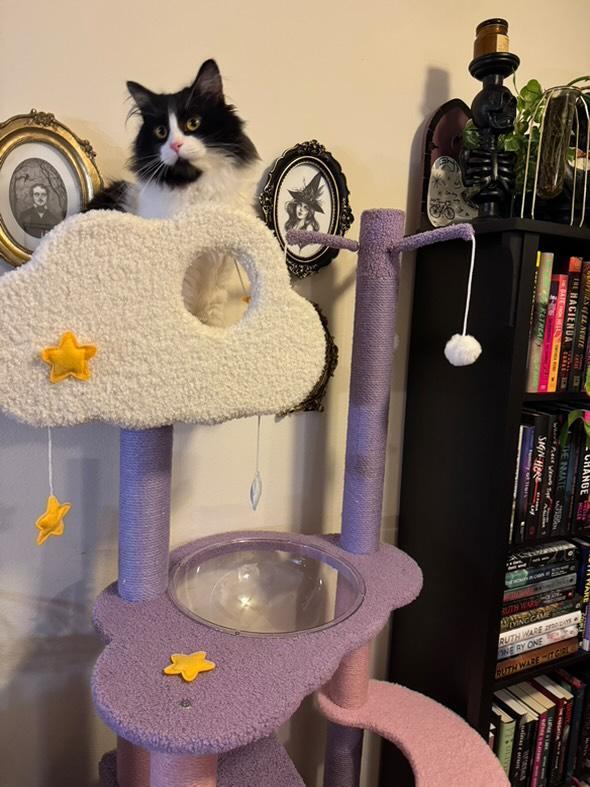
Mindy Jones
So pretty and functional
I bought this mostly because I loved the purple color and moonlight theme, but my cat actually uses every part of it. She scratches the posts, naps in the hammock, and plays with the hanging toys. It's become her little playground.
Moonlight Cat Tree
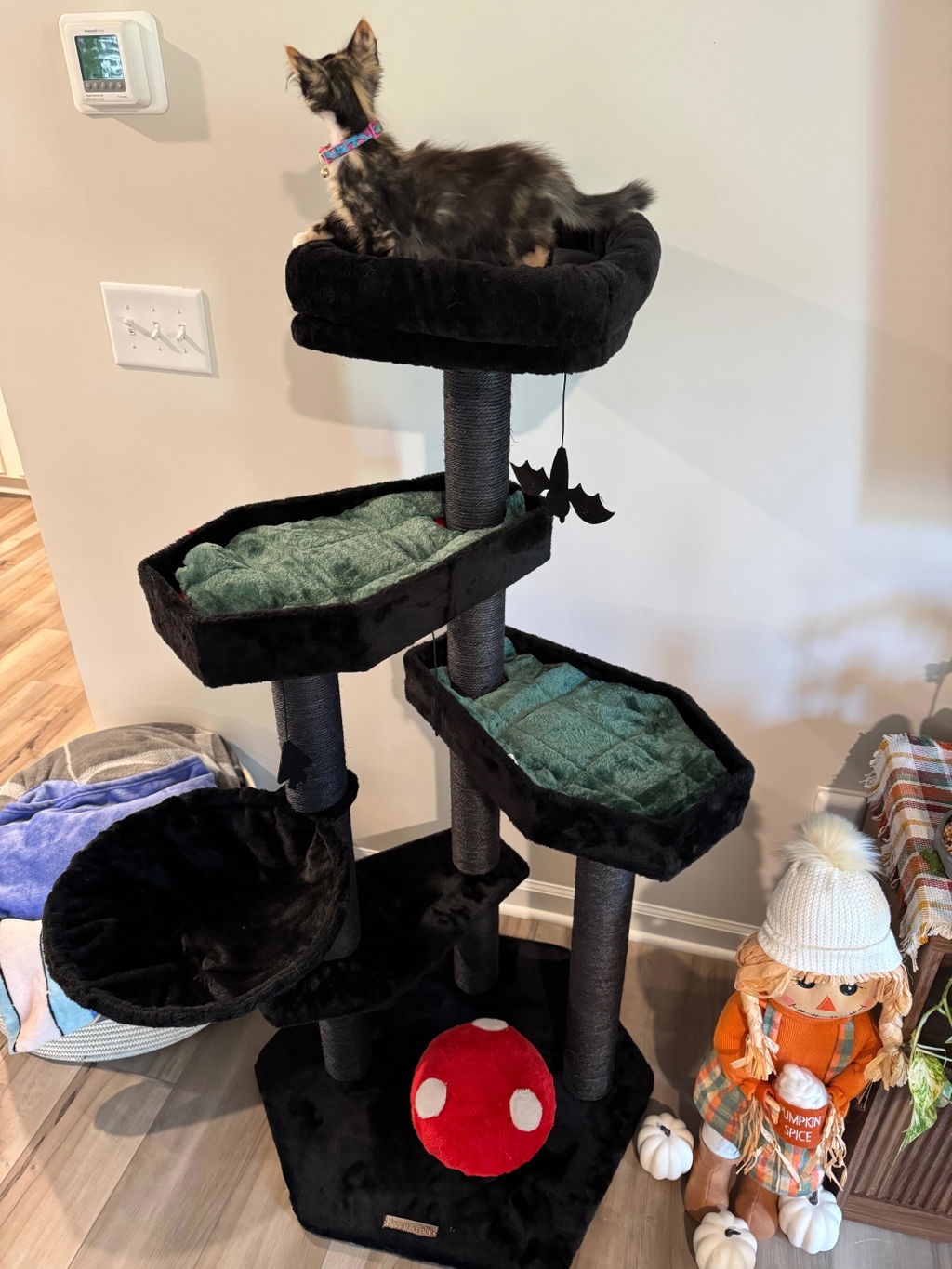
Kate
Great cat tower!
It’s sturdy and so cute in my living room! My cats do enjoy it as well. It’s great quality!
Upgraded Gothic Style Cat Tree
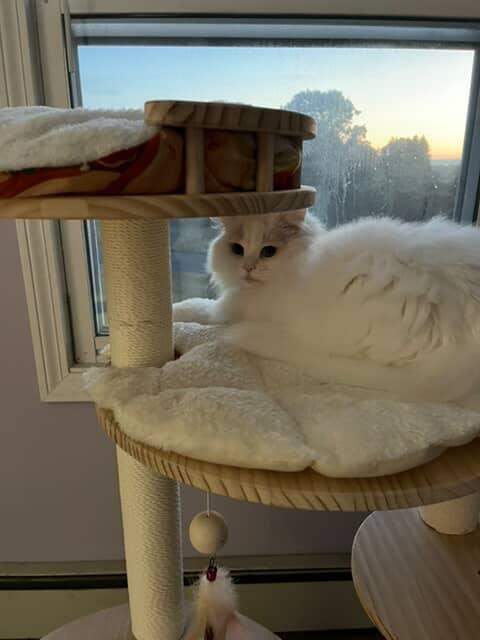
Kellie Cross
Great quality!
My cat absolutely loves this cat tree! The structure feels very sturdy and stable, and there are plenty of places for her to climb, scratch, play, and nap. The design also looks really nice in my living room. It was easy to assemble and feels like a great value for the price. Definitely recommend it!
Transformable Cat Tree
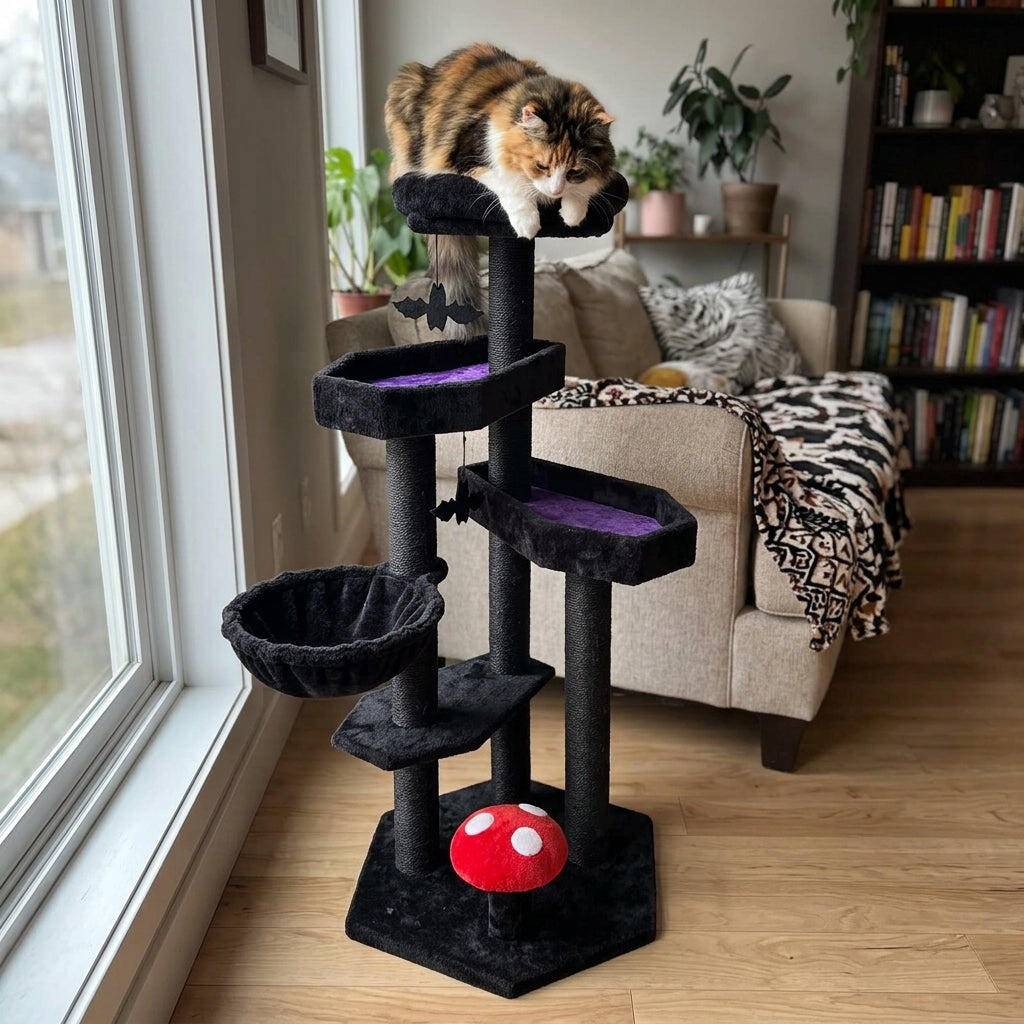
Heather Reed
Super cute
I absolutely love how this cat tree looks in my living room. The gothic design is so much more interesting than the usual cat trees, and my cat started using the lower perch almost immediately. Assembly was easier than I expected too.
Upgraded Gothic Style Cat Tree
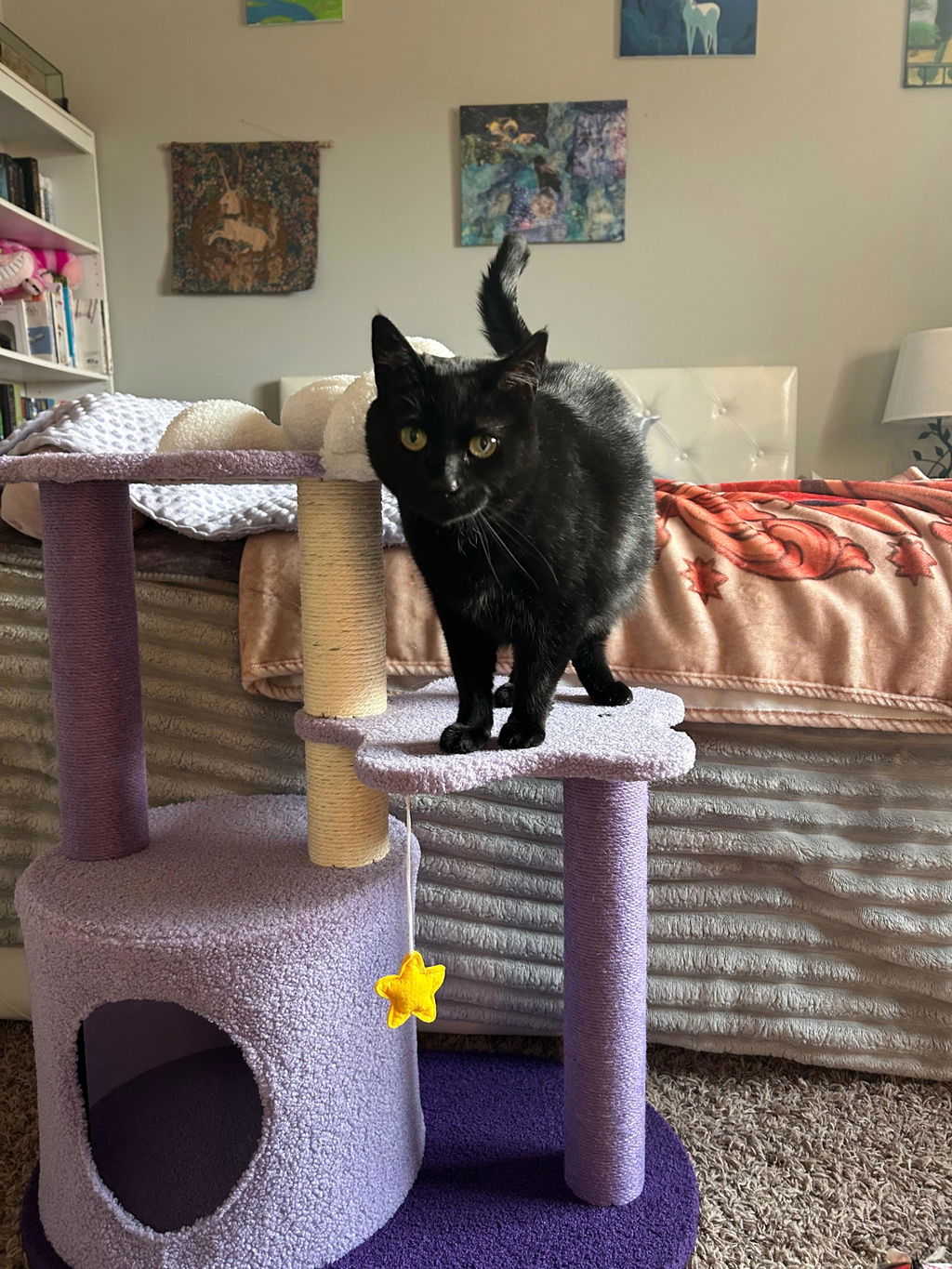
Kendra Willis
A little whimsy
I just finished putting it together and she is already into it! Affordable and cute.
28" Moonlight Cottage Cat Tree
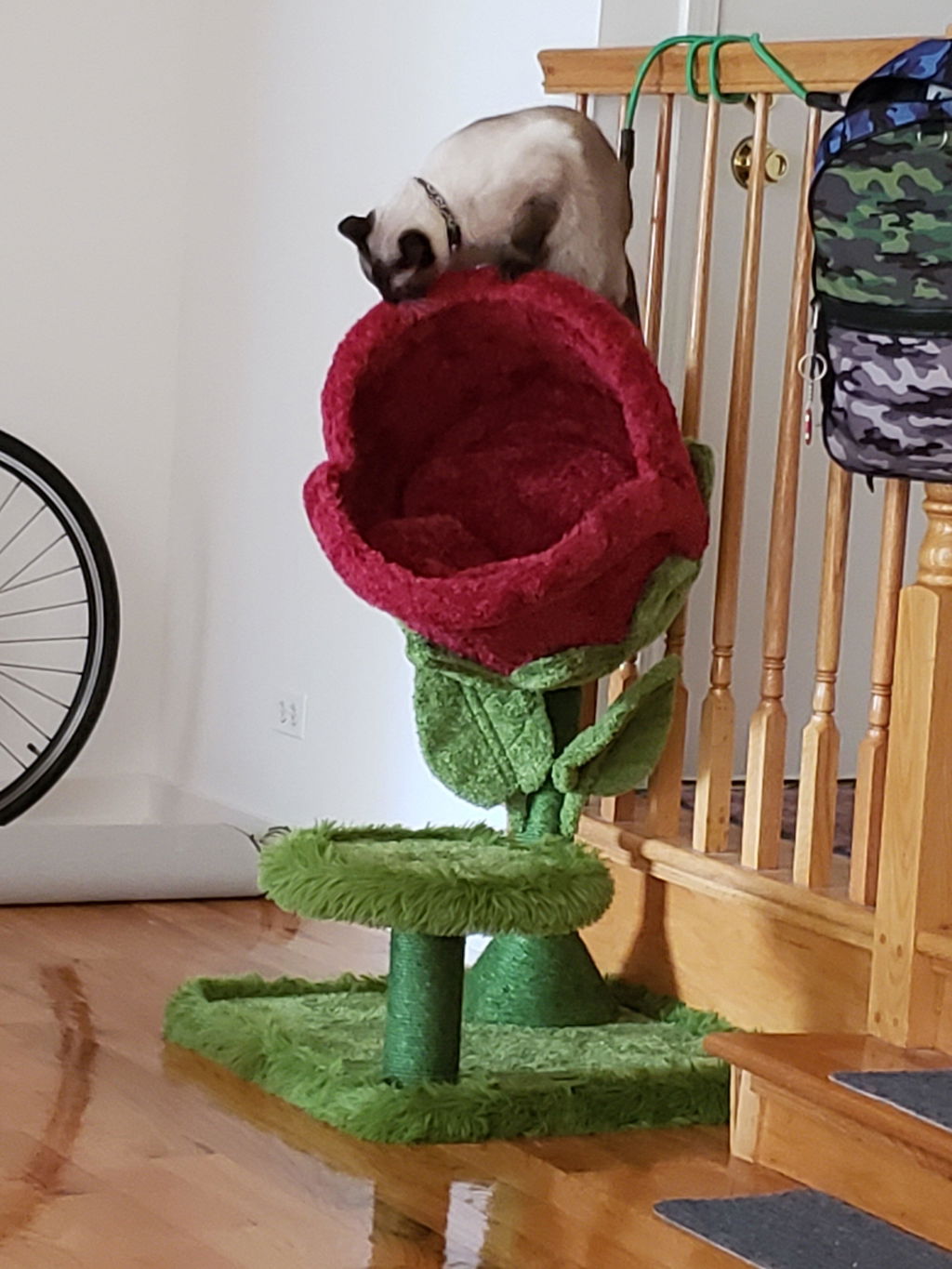
Anya Kilmouska
Feed me!!
So far my cats have not jumped into the carnivorous flower, but the youngster (16 months) has repeatedly jumped on top of it and used it to springboard to higher locations. It is quite sturdy. My 16 year old cat has stretched on back legs to peer inside the flower. Both love scratching madly on the sisal stem and lying in the soft "grass" beneath the flower. Sadly, one of the leaves would not go into its slot no matter what I tried, but the other two--the ones on the flower--did. I love this adorable and quirky cat condo/cat tree.
41.7'' Carnivorous Flower-Inspired Cat Tree
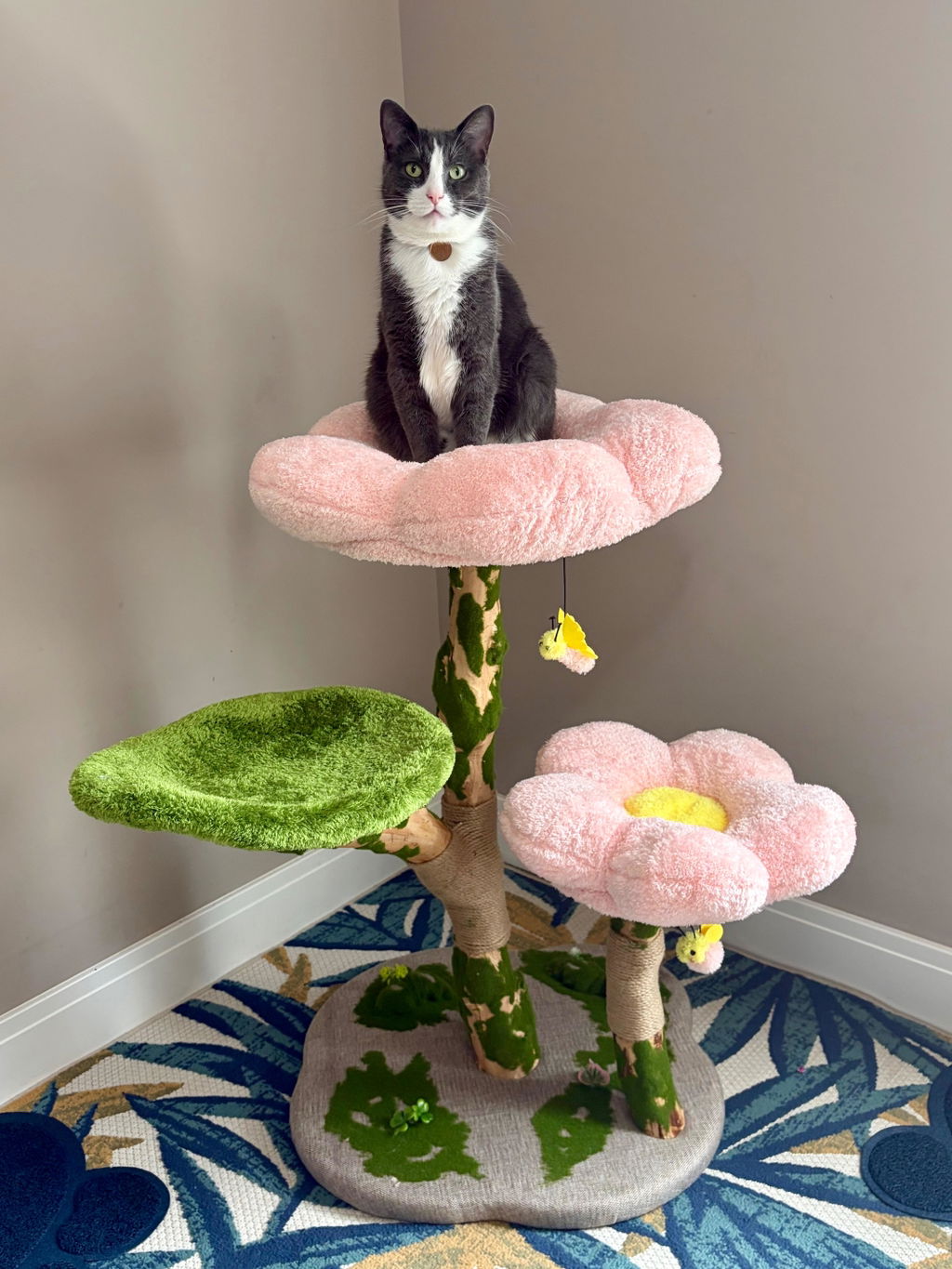
Billu rani
Best cozy Place for cats
The Blossom Wonder Cat Tree is a total showstopper that completely transformed our space into a gorgeous, whimsical cat oasis. It is incredibly sturdy and durable enough to easily handle high-energy play, and my cats instantly fell in love with the plush flower perches!
35.4" Blossom Wonder Solid Wood Cat Tree
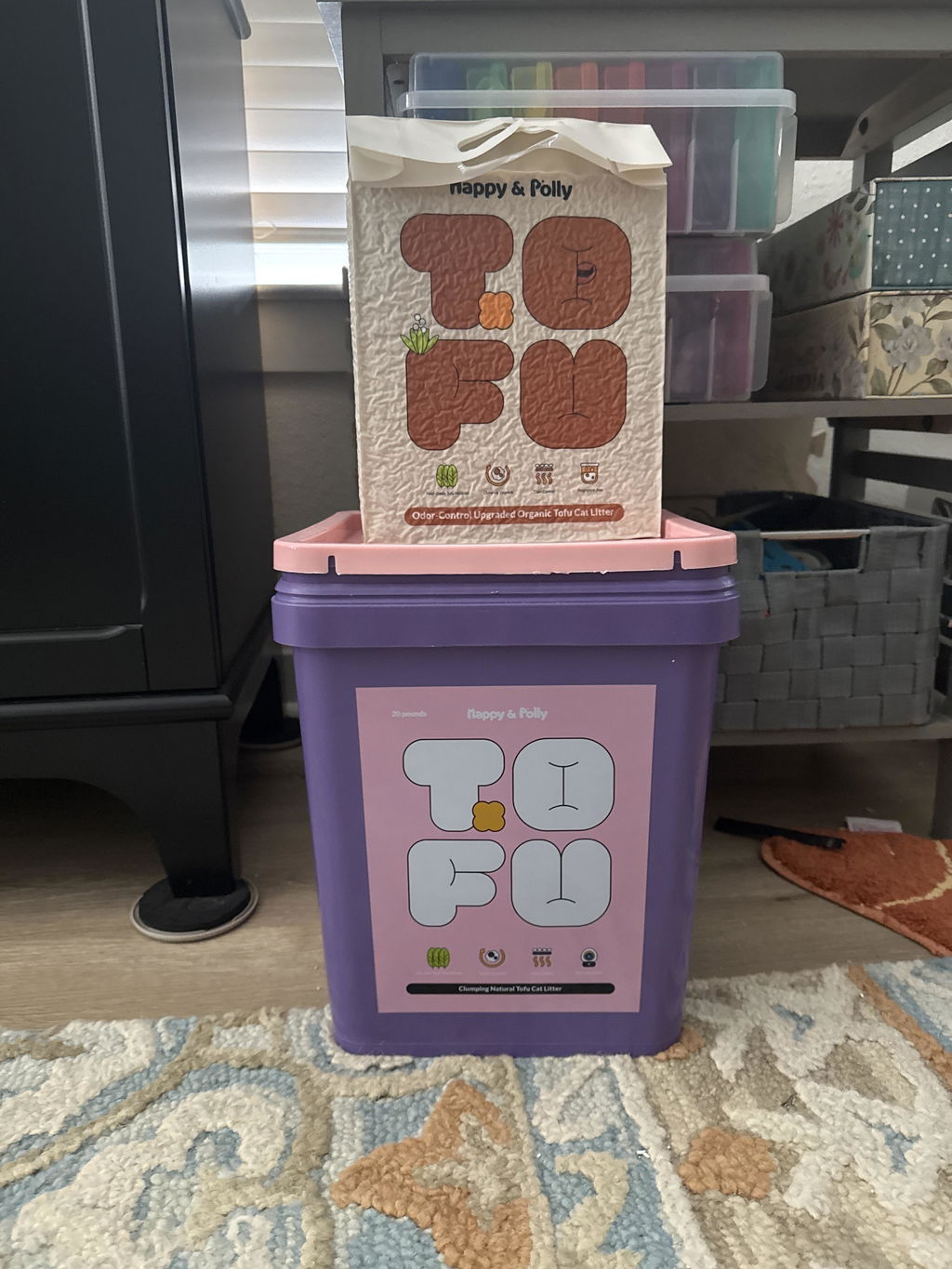
Heather Amelia Ellis
Game changer
After trying coffee and plain types of tofu litter I have found the plain is my preference because the pieces are larger. I can see the coffee one being more suited to automatic litter boxes as they are smaller. No smell I mean none! So easy to pick up the clump stays together none breaks apart and falls back in , all contaminated litter gets removed not mixed back in with clean. For me these 2 reasons made tofu a game changer. Btw I tried a tofu litter from a pet store and it did not compare to happy and Polly’s the quality was not good and same price!
Plant-Based Tofu Litter with Triple Natural Deodorizers
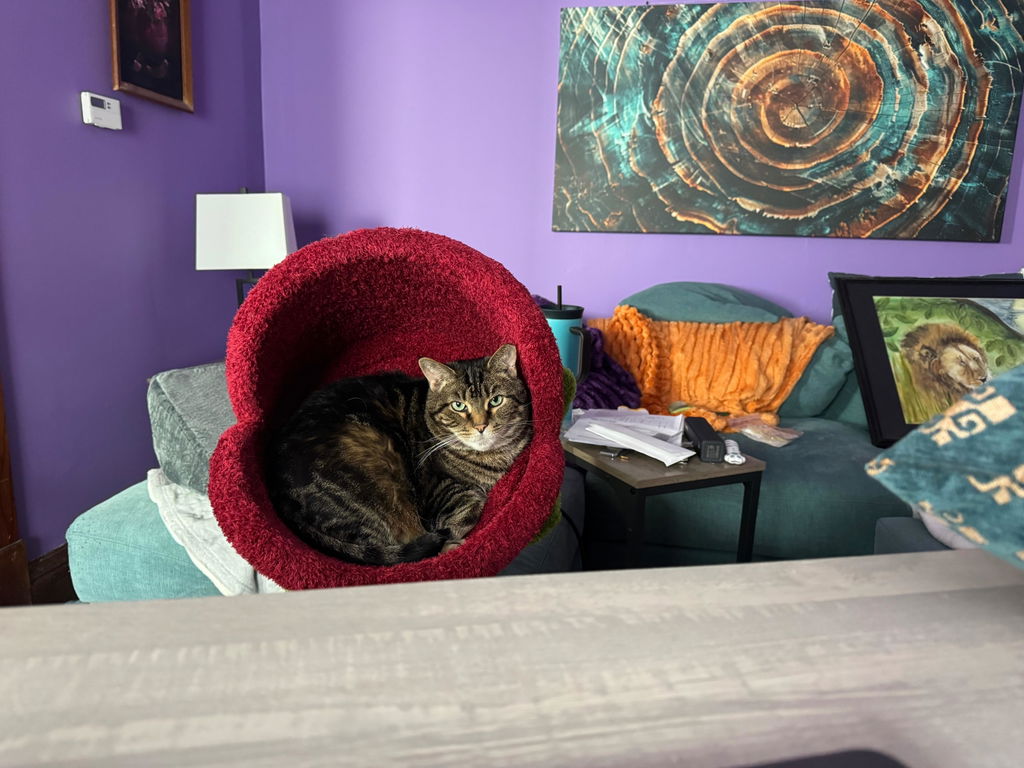
Michele
Feed me Seymour!!!
My cats love this! It is adorable & whimsical, looks fun. My big guy likes to sit inside the bud & my younger 2 run up & jump on top like lunatics. It’s holding up beautifully!
41.7'' Carnivorous Flower-Inspired Cat Tree
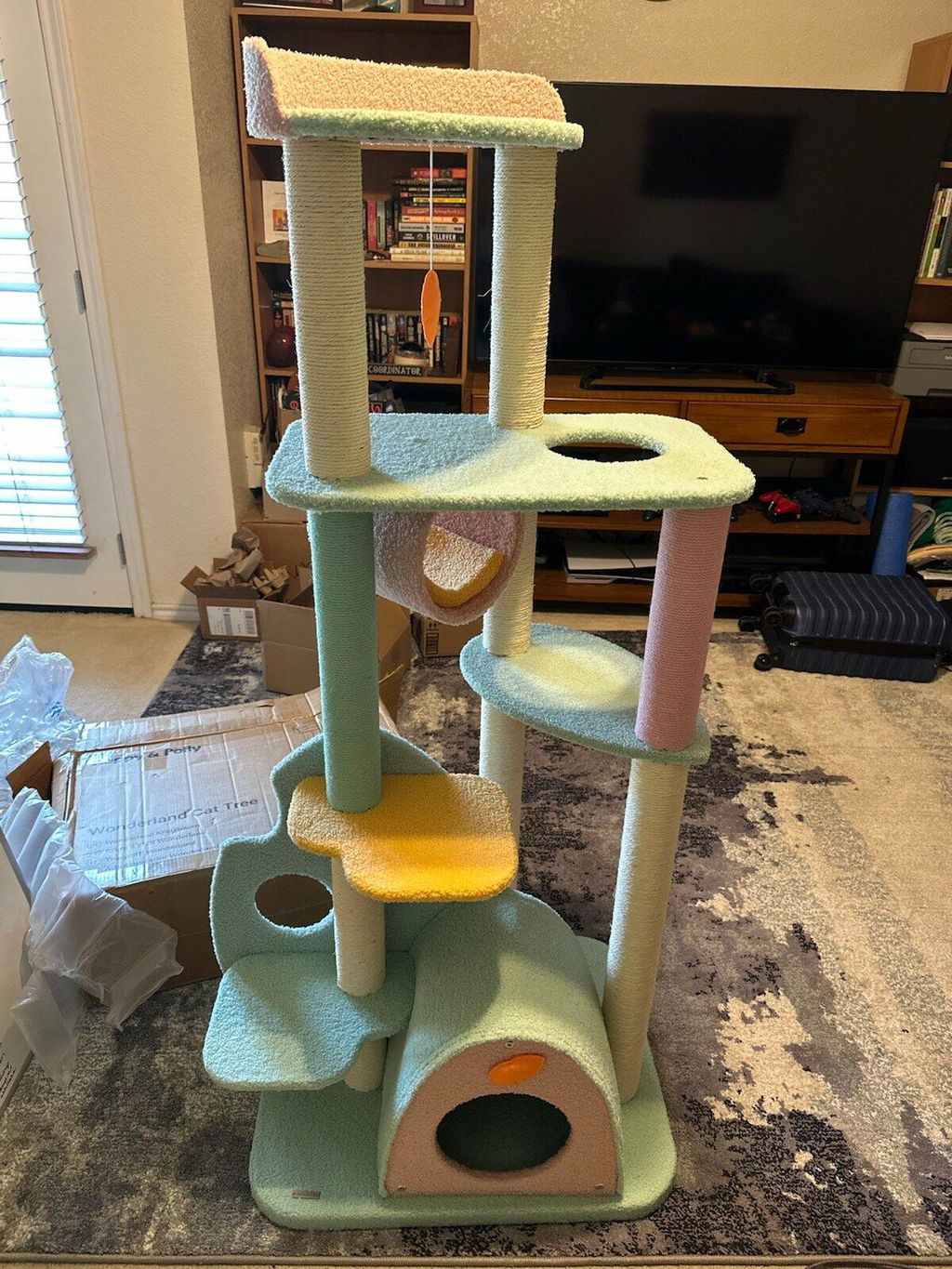
Alexis W.
Wonderful
This cat tree is awesome and the boys love it.
Upgraded Wonderland Cat Tree-XL

blue3dragon
Definitely cat approved!!
I didn’t even get the tree into the place I was planning on placing it & my 2 youngest were all over it! They seem to love the crinkly lady bugs & Fig likes the tulips, he was rubbing allllll over them. Definitely adding some whimsy to the room & not at all boring to look at. I will definitely be purchasing more from this site!!
Yellow Tulip Cat Tree
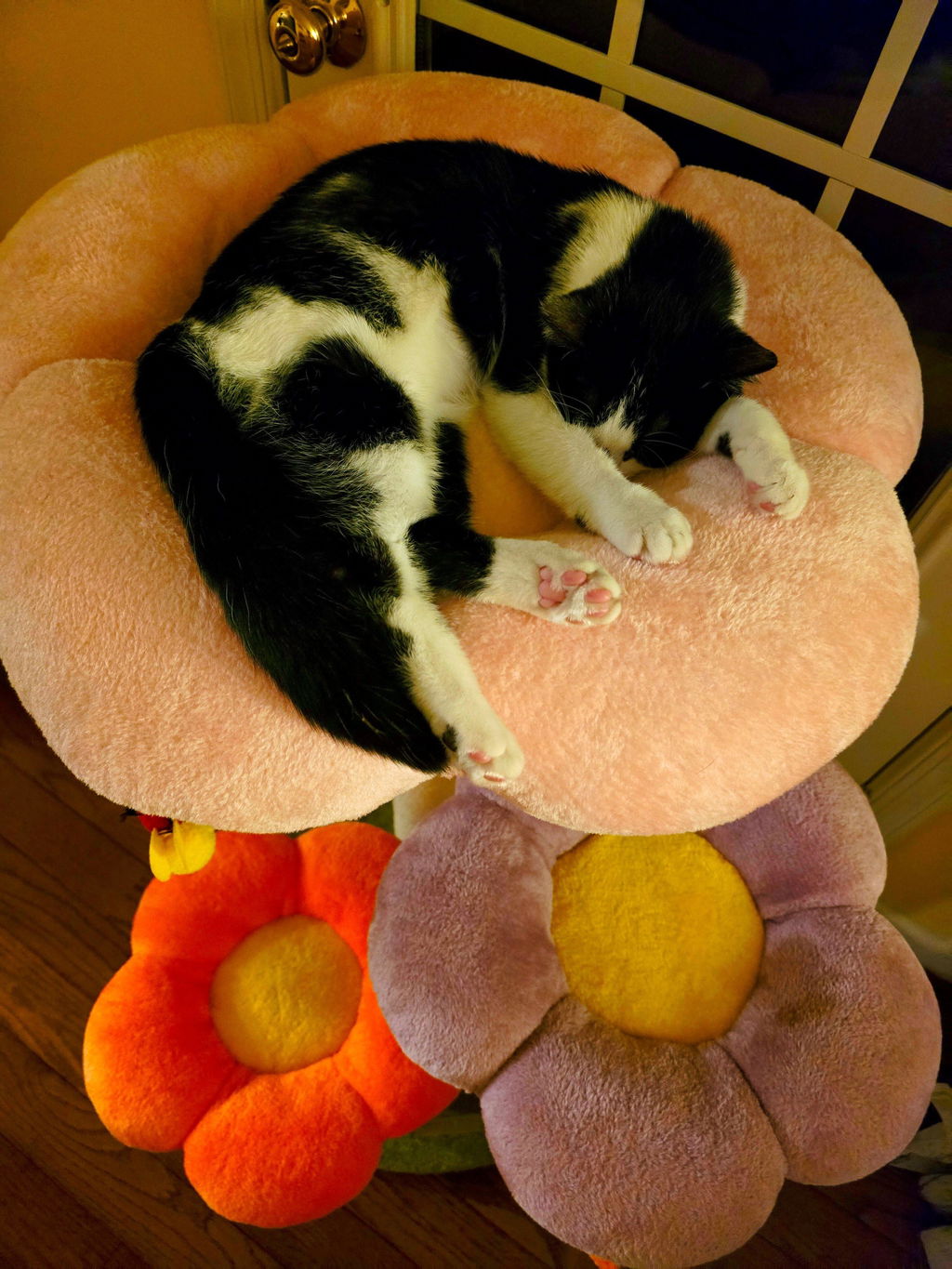
Eileen
Beautiful tree that cats love
I have two of these flower cat trees now and my cats love them. They are definitely considered to be the #1 prime napping spots in the house, and they are so pretty they contribute to the aesthetics of the room rather than detract from it.
Three Flower Cat Tree
Alex
Everyone loves if
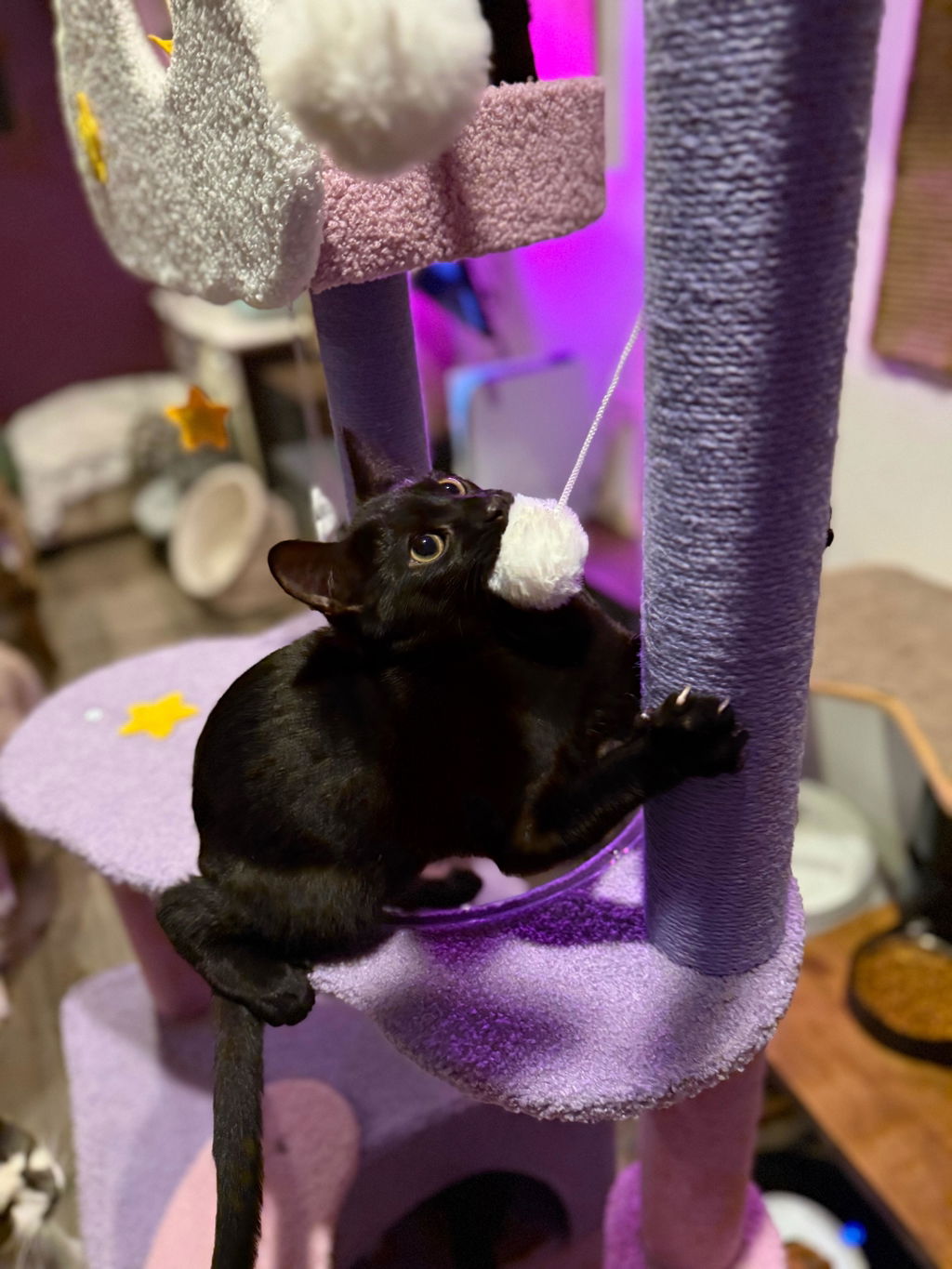
I’ve bought a bunch of cat trees from this website. All have held up well. But this is hands down my cats and my foster cat’s favorite tree. Everyone has been on it non stop since it was put together. We haven’t even been able to move it to its permanent spot yet!
Moonlight Cat Tree
mms
Beautiful and the cats love it
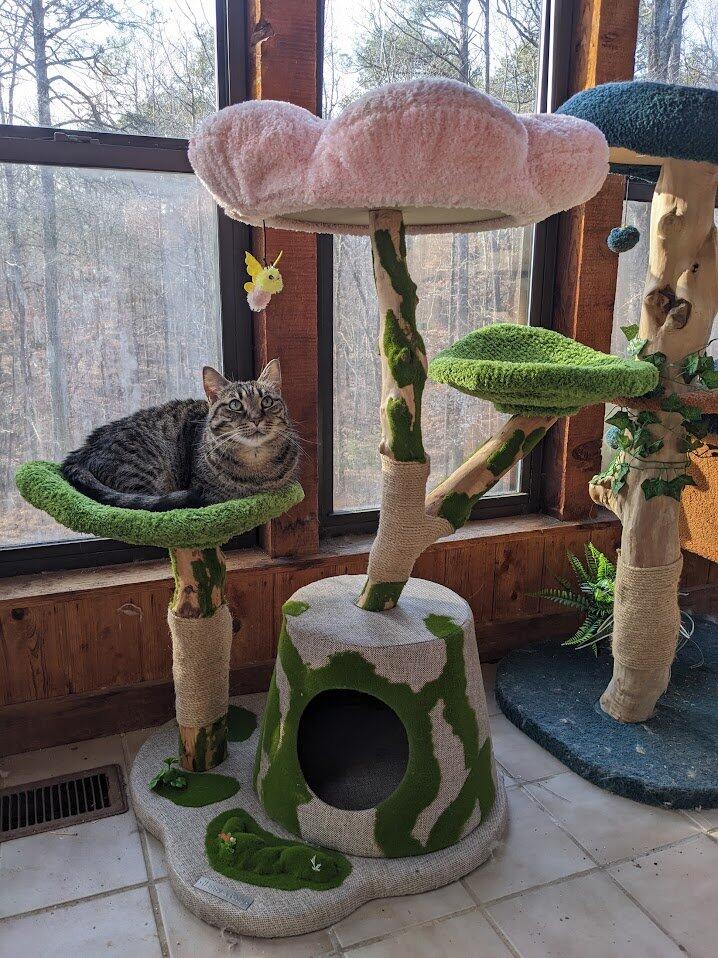
They love the leaves and the giant flower! The leaves especially are cat magnets. They are a bit padded. The big flower is very soft. The tree is so pretty and whimsical and only took a couple minutes to assemble. Great quality, super sturdy, and i adore the moss design!
Enchanted Blossom Solid Wood Cat Tree
