

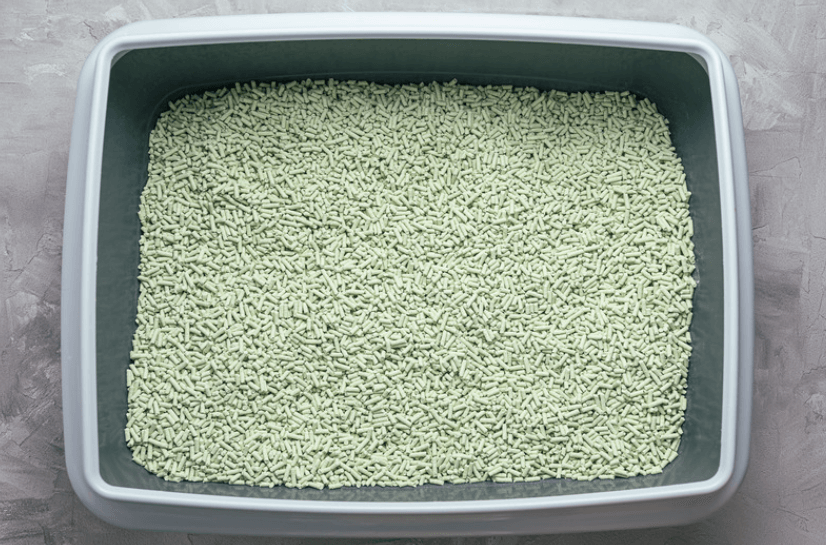

Read the ingredient list, not just the word “tofu.” These litters can contain soy, pea fiber, corn starch, cassava, or other plant ingredients. Compare clumping, texture, and actual dust when you pour and scoop. A low-dust claim may help you compare products, but it does not mean a litter can treat asthma or another breathing condition.
Shopping for tofu cat litter can feel surprisingly confusing. One bag says “low dust,” another says “plant-based,” and a third promises easy clumping. But what really matters for your cat?
The best tofu cat litter is the one your cat will comfortably use. Check the ingredients, texture, dust, clumping, and odor control before deciding—and introduce any new litter slowly.
What Is Tofu Cat Litter and Why Does It Matter?
Tofu cat litter is a name for a group of lightweight, plant-based litters made with compressed fibers and starches. Some use soybean byproducts. Others rely on pea fiber, corn starch, cassava, or a mix of ingredients. Not every tofu litter contains soy, and not every formula works the same way.
What is inside?
For example, Happy & Polly Tofu & Cassava Natural Cat Litter lists corn starch, pea fiber, cassava, baking soda, and SAP-encapsulated diatomite. That's this product's formula, not a standard recipe for all tofu litters.
What about the environment?
Plant-based ingredients may be biodegradable, but used cat litter isn't automatically safe to compost. The U.S. EPA's home-composting guidance says to keep pet waste and cat litter out of backyard compost piles. Follow the label and local disposal rules.

What Should You Look for When Choosing Tofu Cat Litter?
Don't choose by a single marketing claim. Think about daily scooping, how the litter feels under your cat's paws, and whether they'll actually use it.
| Factor | What to Look For | Why It Matters |
|---|---|---|
| Clumping | Firm clumps that scoop easily without falling apart. | Easier cleanup and less clean litter thrown away. |
| Dust level | Product-specific low-dust claims—and what you actually see when pouring or scooping. | Dust varies by formula. Less dust may suit sensitive households, but it's not a medical treatment. |
| Odor control | Clear ingredients and good odor performance without strong perfume. | Some cats dislike strong scents; results depend on the formula and cleaning habits. |
| Texture | Granules that feel reasonably similar to your cat's current litter. | Some cats dislike a sudden change under their paws. |
| Cat preference | A trial-size bag or a second box for testing. | The best litter is one your cat uses consistently. |

Practical tip: Try a smaller quantity before stocking up. If you're comparing brands, start by reading a specific tofu litter product page rather than assuming every plant-based formula is alike.

Should You Switch Your Cat's Litter All at Once?
Usually, no. Changing the litter, box, location, food, and daily routine together can make your cat uncomfortable. It also becomes harder to figure out which change caused a problem.
Instead, introduce new litter at your cat's pace. Some cats adjust over a week or two; others need longer. You can mix in a little new litter at a time, or offer it in a second box while keeping the familiar litter available.
| Stage | What to Try | What to Watch |
|---|---|---|
| Start | Mostly familiar litter with a small amount of new litter, or a separate test box. | Normal urination, appetite, energy, and willingness to enter the box. |
| Middle | Add more new litter only after several comfortable uses. | Hesitation, accidents, sneezing, or changes in toileting. |
| Finish | Use 100% new litter only after your cat uses it consistently. | Keep up normal cleaning and watch for delayed avoidance. |
The stages aren't a fixed schedule—follow your cat's response.
If your cat starts avoiding the litter box: Pause the switch. Check that they're urinating normally, eating, and acting like themselves. If avoidance comes with urinary changes, appetite loss, pain, or lethargy, contact your veterinarian. The San Francisco SPCA advises a veterinary assessment when a cat suddenly eliminates outside the box, before assuming the cause is behavioral.

How Does Tofu Litter Compare with Clay and Silica Litter?
No litter type wins in every situation. This table shows common differences, but the results still depend on the specific product.
| Feature | Tofu / Plant-Fiber | Clay | Silica |
|---|---|---|---|
| Dust | Often sold as low dust; varies by granule and processing. | Ranges from low-dust to dusty, depending on the formula. | Ranges from low to moderate, depending on crystal size and processing. |
| Clumping | Many clump, but firmness varies. | Clumping and non-clumping options. | Mostly non-clumping, with some clumping options. |
| Weight | Often lighter than many clay litters. | Often heavier. | Often relatively light. |
| Biodegradability & disposal | Plant ingredients may biodegrade. Dispose of used litter according to the label and local rules; don't assume it's suitable for home compost. | Mineral-based; generally not biodegradable. | Mineral-based; generally not biodegradable. |
5 Easy Tips for a Smooth Switch
Keep the rest of your cat's litter-box routine as familiar as possible while testing something new.
-
01 · Keep the setup familiar
Leave the litter box in its usual place whenever possible.
-
02 · Scoop every day
Remove waste at least daily so a dirty box doesn't get confused with a litter preference.
-
03 · Change one thing at a time
That way, it's easier to see what your cat likes or dislikes.
-
04 · Keep a familiar option
If you have room, offer a second box with your cat's previous litter during the trial.
-
05 · Follow the product's cleaning instructions
How often you fully replace litter depends on the product, number of cats, box size, and how quickly it gets dirty—not a fixed two-to-four-week rule.

The bottom line: Look beyond the “tofu” label. Check ingredients, clumping, dust, texture, and odor control, then let your cat's comfort guide the switch. You can also explore litter boxes and scooping accessories at Happy & Polly if you're updating your setup.
References
Professional guidance used in this article:
