

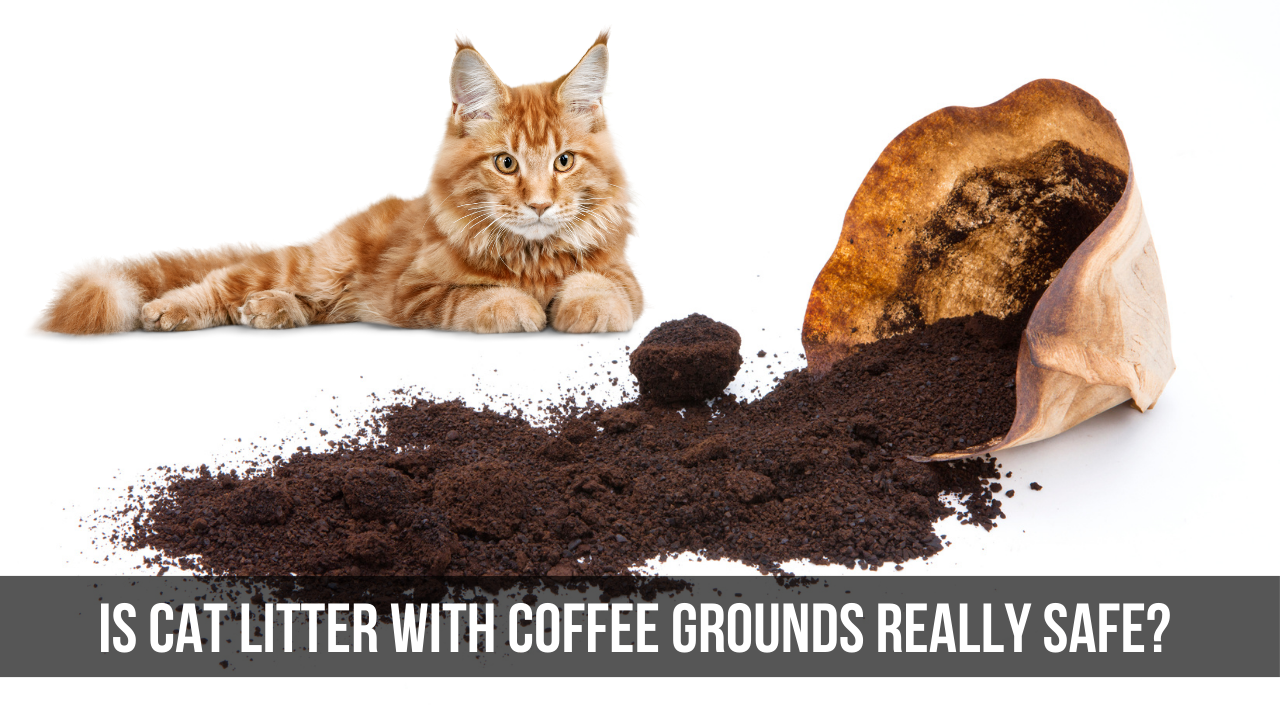
What Is Coffee-Ground Cat Litter?
Coffee-ground cat litter is a commercial plant-based litter crafted by combining sterilized, decaffeinated coffee grounds with an absorbent clumping base. Because coffee grounds naturally contain porous carbon structures, they trap ammonia and sulfur odors without relying on heavy artificial perfumes.
Not every brand uses the same recipe. For example, the Happy & Polly Coffee-Ground Tofu Cat Litter blends decaffeinated coffee grounds with food-grade corn starch, pea fiber, baking soda, and yucca extract to create fast-clumping pellets that resist paw-tracking.
Key Benefits of Processed Coffee-Ground Formulas
- Targeted ammonia odor neutralization: Porous coffee fibers paired with baking soda and yucca extract bind urine odors at the source rather than masking them.
- Tight, fast clumping: Plant-starch binders lock liquid within seconds so clumps do not crumble when scooped.
- Upcycled sustainability: Repurposes food-industry coffee grounds into a biodegradable, low-dust pellet structure.
- Low tracking & respiratory comfort: Pelletized tofu-coffee blends minimize airborne silica or clay dust compared to traditional bentonite clay.
Is Coffee-Ground Cat Litter Safe for Cats?
Safety depends entirely on how the coffee grounds are processed. The ASPCA warns that coffee and caffeine can cause serious toxicity in pets. In clinical veterinary toxicology, mild signs of caffeine toxicity (restlessness, rapid heart rate) can begin at roughly 20 mg of caffeine per kilogram of body weight—meaning even small amounts of brewed household grounds licked off paws pose a real hazard.
| Safety Factor | DIY Household Coffee Grounds | Decaffeinated Commercial Litter (e.g., Happy & Polly) |
|---|---|---|
| Caffeine Content | Unsafe: Brewing leaves 30%–50% of caffeine behind, risking ingestion when cats groom their paws. | 0% Caffeine: Undergoes industrial decaffeination and lab verification before blending. |
| Mold & Diterpenes | High Risk: Damp grounds grow mold spores within 24–48 hours and retain natural coffee oils (diterpenes) that irritate paws. | Heat-Dried & Sterilized: High-temperature drying removes moisture and surface oils to prevent fungal growth. |
| Clumping & Dust | Does not clump; turns into muddy paste when wet and stains fur. | Pelletized with pea fiber and corn starch for clean, scoopable clumps. |
| What to check | Why it matters | What to do |
|---|---|---|
| Verified 0% caffeine | Unprocessed coffee waste still contains stimulants that affect a cat's nervous and cardiovascular systems. | Confirm the brand explicitly states 0% caffeine for the finished product. |
| Full ingredient list | Formulas vary between pure wood/coffee blends and tofu-based blends. | Look for transparent, non-toxic binders such as pea fiber, corn starch, and baking soda. |
| Dust & fragrance level | Synthetic coffee perfumes or fine dust can trigger feline sneezing or asthma. | Choose naturally scented, low-dust pellet formulas and monitor your cat during the first week. |
What If Your Cat Accidentally Eats the Litter?
Kittens are curious and occasionally taste new pellets. While Happy & Polly's coffee-ground tofu litter uses food-grade plant ingredients (corn starch and pea fiber) rather than swelling sodium bentonite clay, no cat litter is meant to be eaten as food. If your cat swallows a small pellet, offer fresh water and observe; if they repeatedly eat litter, consult your veterinarian to rule out pica or nutritional gaps.
How Does Coffee-Ground Litter Affect Owners and the Environment?
Plant-based litters significantly reduce landfill reliance compared to strip-mined clay. However, proper disposal still depends on local sanitation guidelines and whether the litter contains solid waste.
| Disposal Method | Recommended Guideline |
|---|---|
| Flushing Small Clumps | Water-soluble tofu-coffee clumps dissolve quickly in water. Flush one small clump at a time where local municipal codes permit (avoid flushing in areas restricting cat waste due to Toxoplasma concerns). |
| Garden Composting | Per U.S. EPA home-composting guidance, never add soiled cat litter to compost intended for edible vegetable gardens; only use municipal organics programs that explicitly accept pet waste. |
| Household Trash | Bag soiled clumps in biodegradable waste bags and place in regular household trash—plant fibers still break down far faster than bentonite clay. |

How to Switch to Coffee-Ground Litter Without Stressing Your Cat
Cats rely heavily on familiar paw textures and scents. Switching litters overnight can trigger litter-box avoidance. Use a 7-to-10-day gradual transition while keeping the litter box in the exact same spot.
| Timeline | Recommended Ratio | What to Watch For |
|---|---|---|
| Days 1–3 | 25% coffee-ground litter / 75% old litter | Cat enters box comfortably and digs normally. |
| Days 4–6 | 50% coffee-ground litter / 50% old litter | Consistent urination/bowel habits with no hesitation at the box rim. |
| Days 7–9 | 75% coffee-ground litter / 25% old litter | Tight clumps forming cleanly; minimal dust or sneezing. |
| Day 10+ | 100% new coffee-ground litter | Full adaptation. Maintain a 2–3 inch litter depth for optimal clumping. |
How to Choose and Use Coffee-Ground Cat Litter
When comparing options, prioritize transparent formulas over vague "eco" buzzwords. Look for:
- Complete ingredient disclosure: The Happy & Polly Coffee-Ground Tofu Cat Litter clearly lists every component—corn starch, pea fiber, baking soda, yucca extract, and decaffeinated coffee grounds—with 0% caffeine.
- Pellet durability: Quality tofu-coffee pellets resist crushing into fine powder at the bottom of the pan, keeping the box fresher for longer.
- Proper storage: Because plant-based litters absorb ambient moisture, store unused bags in a cool, dry place and seal tightly after pouring.
When Should You Call a Vet After Changing Cat Litter?
While most cats adjust smoothly, always watch for medical warning signs that require prompt veterinary attention rather than a simple litter swap.
| Urgency | Signs | What to do |
|---|---|---|
| Emergency now | Straining with little/no urine; obvious breathing distress or open-mouth breathing. | Go to an emergency veterinarian immediately. |
| Prompt vet advice | Persistent sneezing, watery eyes, repeated vomiting/diarrhea, or sudden lethargy. | Contact your veterinarian promptly; for kittens, Cats Protection advises assessment if they refuse food for 12–24 hours. |
Is Coffee-Ground Cat Litter Worth Trying?
If you want strong natural odor control without clay dust or synthetic perfumes, a verified decaffeinated formula is well worth trying. The Happy & Polly Plant-Based Tofu Litter with Triple Natural Deodorizers combines 0% caffeine coffee fibers with baking soda and yucca extract for clean, fast-clumping performance that is gentle on sensitive paws.
References
- Happy & Polly — Coffee Grounds Tofu Cat Litter Product Specifications
- ASPCA — People Foods to Avoid Feeding Your Pets (Coffee and Caffeine)
- U.S. EPA — Composting at Home
- Cornell Feline Health Center — Feline Lower Urinary Tract Disease
- Cornell Feline Health Center — Dyspnea (Difficulty Breathing)
- Cats Protection — How long can cats go without food?
